Moving supplies between floors takes time, especially in busy homes, restaurants, and commercial kitchens. A compact lifting system offers a practical solution by reducing repeated trips up and down stairs.
Before installing a dumbwaiter lift, owners should understand each stage, including the site survey, shaft preparation, equipment selection, fitting, testing, and final safety checks.
Start with a site inspection
The installation process begins with a detailed inspection of the property. Technicians examine available space, floor levels, wall structures, and possible shaft locations. They also check electrical connections and identify obstacles that may affect installation.
A suitable location allows the cabin to serve different floors conveniently while keeping the surrounding interior practical and organised.
Select the right lift specifications
The next stage involves choosing suitable equipment. Homeowners discuss cabin dimensions, weight capacity, travel height, number of stops, and operating speed. A compact model may suit food trays and household supplies, while larger cabins accommodate laundry baskets and storage containers.
Matching specifications to daily use helps prevent unnecessary costs and operational issues.
Prepare the shaft and installation area
Once the design receives approval, technicians prepare the installation space. New buildings may already include a dedicated shaft, while existing homes sometimes require structural adjustments.
The team checks floor openings, shaft alignment, supporting structures, and access points. Proper preparation provides sufficient clearance and supports smooth cabin movement between floors.
Install the lifting equipment
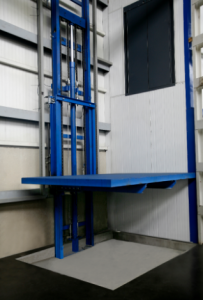
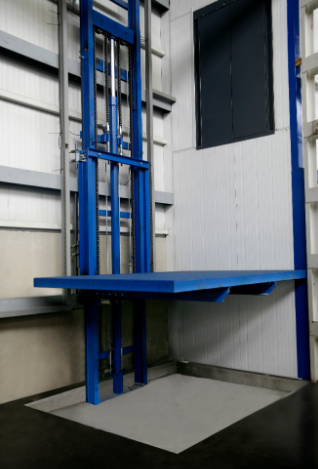
Technicians install the motor, guide rails, lifting mechanism, cabin, and associated electrical components. They align the equipment carefully and connect the control panels at designated floors. Every component must match the manufacturer’s specifications.
Professional installation supports stable movement, reliable operation, and consistent performance during regular household use.
Connect controls and safety systems
The electrical stage connects call buttons, operating controls, door interlocks, and emergency features. Technicians test each connection and check communication between the cabin and floor controls.
Safety mechanisms prevent operation when doors remain open or other specified conditions arise. Proper electrical configuration supports dependable operation and protects household members.
Complete testing and inspection
Before handover, technicians run several operational tests. They check cabin movement, stopping accuracy, door functions, load capacity, and emergency controls. Testing under approved conditions helps identify installation faults before regular use begins.
The installation team also checks unusual vibration, noise, and alignment to confirm smooth performance.